Since 2008, SEWF has grown from a single gathering in Edinburgh into a global community. What began with 400 delegates from 29 countries is now a year-round network of social enterprise leaders, practitioners, policymakers, communities and changemakers working together to build a fairer economy – one that puts people and planet first.
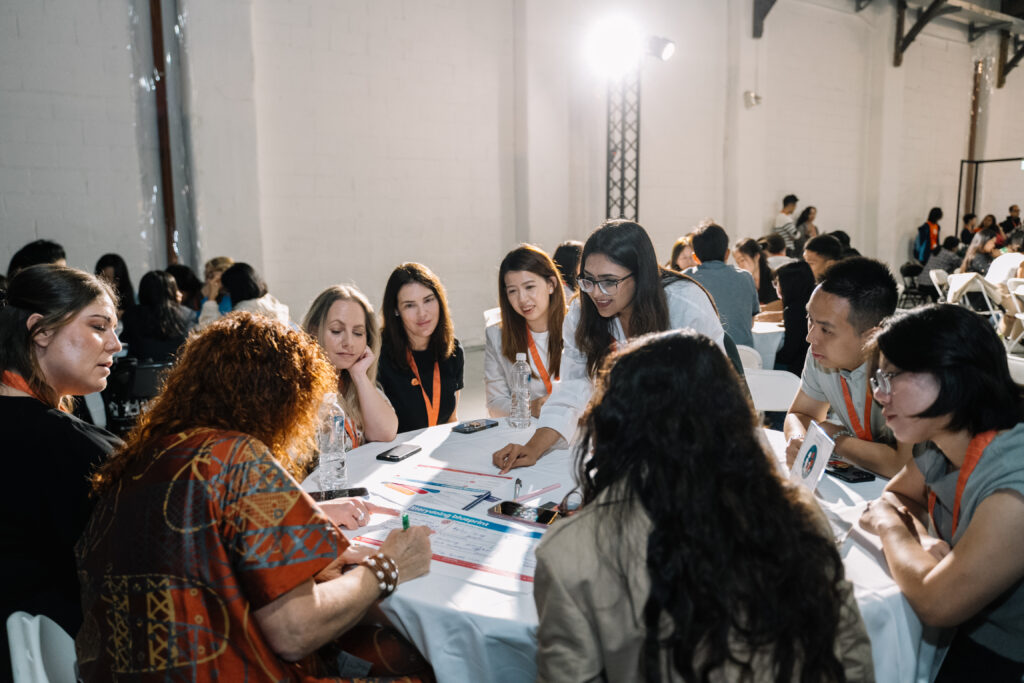
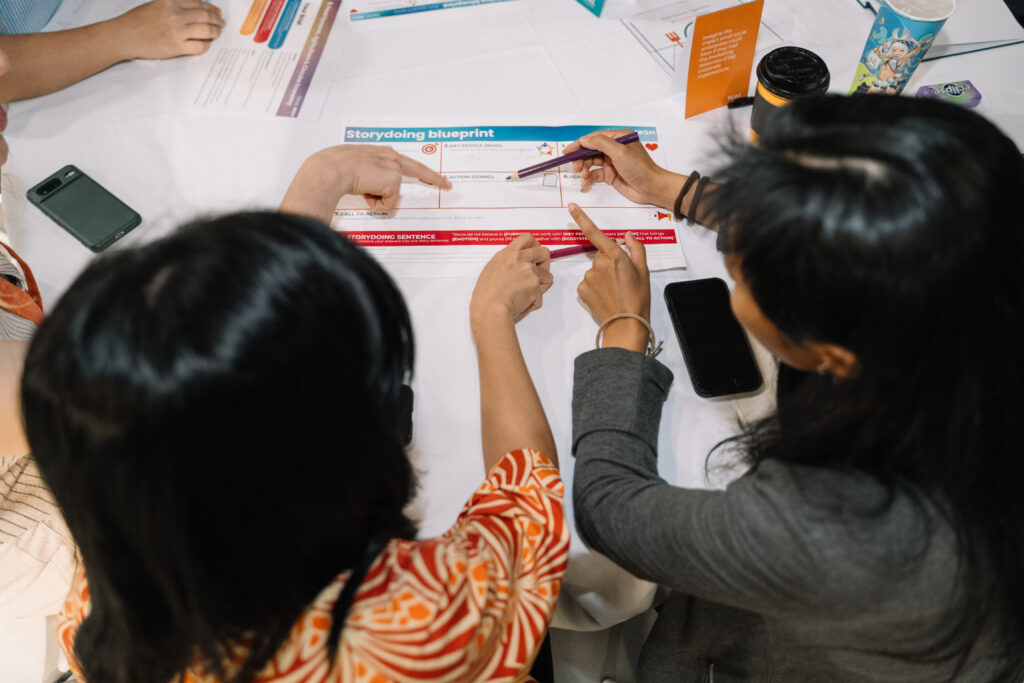
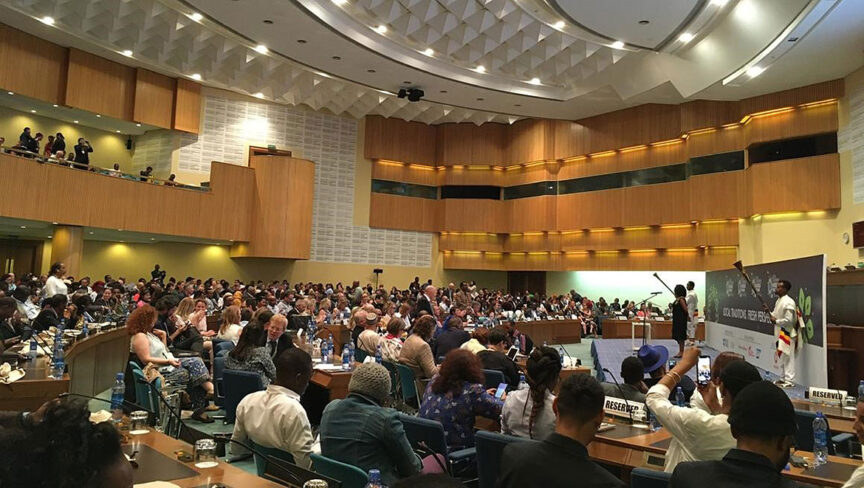
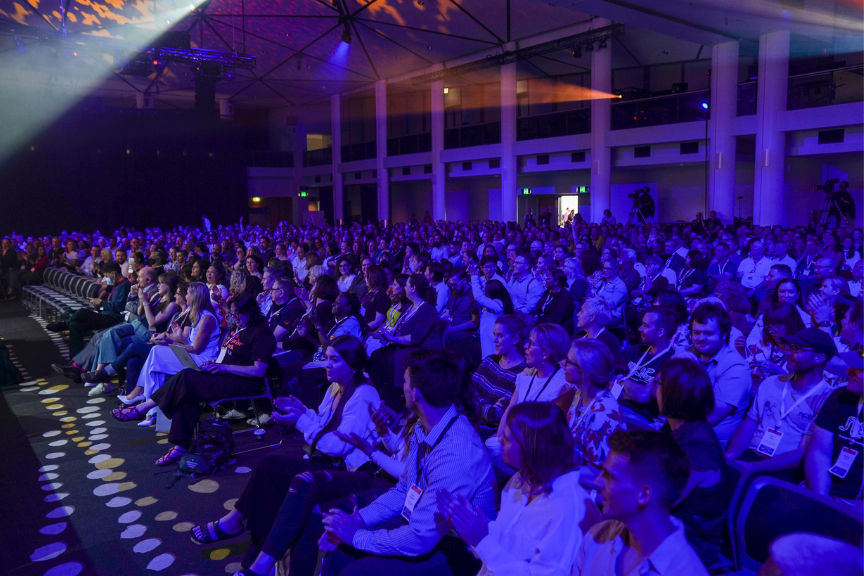
SEWF events have become the defining moments of the global social enterprise calendar. They provide a global platform where connections are made, ideas are forged and the direction of the movement is shaped. From Edinburgh to Brisbane, Addis Ababa to Amsterdam, each SEWF event is co-designed with local partners to reflect the context, culture and priorities of the host region while connecting that community to the global conversation.


SEWF events aren’t just a moment in time. Each forum is co-designed with local co-hosts to reflect the priorities, context and ambitions of the region. The result is something that belongs to the local social enterprise ecosystem long after the event ends: new policies, new partnerships and increased momentum. Here is a snapshot of what local co-hosts and SEWF have made possible together.
SEWF operates as a network of networks, connecting globally with partners leading locally and regionally, sharing knowledge, opportunities and collaborating for greater collective impact.
What began as an SEWF trial in 2021 has grown into a global verification for enterprises across the globe. People and Planet First recognises enterprises that have always chosen purpose over profit and provides a globally credible way to demonstrate it.
With a growing network of partners around the world, People and Planet First is becoming the global standard for social enterprise verification – and a growing community of enterprises committed to a different kind of economy.
Created in 2024 in response to developments from the Rural Social Enterprise Manifesto to address systemic challenges and opportunities in rural communities, the network now has over 100 members from 40 countries.
RSEN, stewarded by SEWF, the Australian Centre for Rural Entrepreneurship (ACRE) and Malaysia’s Ministry of Entrepreneur Development and Cooperatives (INSKEN), hosts regular themed meetings on rural topics, tackles challenges tied to the Manifesto through working groups, facilitates co-mentoring and organises events.
Malaysia’s Ministry of Entrepreneur Development and Cooperatives (INSKEN) has publicly endorsed rural social enterprise as a driver of inclusive development – and committed core funding for RSEN’s operational costs in 2026.
Year-round, SEWF works with social enterprise practitioners networks, governments and other agencies to create the conditions where social enterprises can start, grow and thrive. Our policy and research work spans convening, evidence-building, advocacy and practical tools used by policymakers at local, national and global levels.
Developed in consultation with rural enterprises across the globe, the Rural Social Enterprise Manifesto outlines three key principles and eight policy recommendations for working with rural populations to identify and build new opportunities to accelerate enterprising and sustainable rural communities.
The Rural Social Enterprise Manifesto was a collective effort of rural communities and organisations around the world and with over 55 signatories from around the world.
Social enterprise plays a vital role in reshaping business to deliver better, more sustainable outcomes for people and planet. Although the funding potential exists, social investment and social enterprise remain two disconnected ecosystems. This leaves a significant, untapped opportunity to fund, support and harness the potential of innovative social enterprises. The Social Investment Manifesto offers a blueprint for bridging that gap.
Informed by consultation with organisations across the social finance ecosystem in more than 50 countries, the Manifesto brings together recommendations, best practice case studies and practical examples showing how to apply the findings, whether you are a social enterprise, investor, funder, policymaker or intermediary.
SEWF collaborates with partners and the global social enterprise community to deepen understanding of social enterprise ecosystems – contributing to global research, hosting conversations on data for impact and AI, and participating as observers on the UN Inter-Agency Task Force on Social and Solidarity Economy (UNTFSSE).
Joint report by SEWF with the Center for Social Value Enhancement Studies (CSES) examines how South Korea built one of Asia’s most robust social economy ecosystems in under two decades – comparing Korea’s experience with Québec and Scotland to draw out global lessons. The report sets the scene for the inaugural SEWF Ecosystem Leadership Exchange (11-15 October) in Seoul.
As a Partner on this global review, SEWF contributed to the research, including the definition of social enterprise that underpins People and Planet First verification.
A research project bringing together in-depth case studies, expert perspectives and honest analysis exploring where AI is creating genuine social good, where the risks lie and what responsible adoption looks like for purpose-driven organisations working on the frontlines of change.
The strength of the social enterprise ecosystem comes from its people and the connections between them. SEWF connects people to opportunities to build skills, knowledge and connections, so they can go further together.
Jessica Oyarbide, Co-founder of EKHOS in Argentina, spent ten years watching SEWF from afar before attending SEWF23 in Amsterdam. She is now a SEWF Board member and leads People and Planet First expansion across Latin America.
Luke Terry, CEO of White Box Enterprises, went from attending his first SEWF in Edinburgh in 2008 to co-hosting SEWF22 in Brisbane. His story shows what sustained engagement with SEWF can achieve, both personally and for an entire national ecosystem.
There are many ways to become part of this global community, whether through connecting with the global community online, participating in an event, getting People and Planet First verified, joining the Rural Social Enterprise Network or simply staying in touch.