

;)
From community café to global catalyst: How Luke Terry sparked a sector by engaging with SEWF


Engaging with SEWF means different things to different people. For some, it opens doors to collaborations and networks that would have taken years to build independently. For others, it provides the knowledge, visibility and credibility needed to elevate their work and their region within the global social enterprise movement. For many, it does all of these things at once.
Luke Terry is CEO of White Box Enterprises, bold entrepreneurs on a mission to mainstream jobs-focused social enterprise. His journey with SEWF – from early observer to co-host of SEWF22 in Brisbane, Queensland – reflects what sustained engagement with this community can achieve, both personally and for an entire national ecosystem. New partnerships, government investment and a platform to ensure that social enterprise is taken seriously at the highest levels of policy and funding.
When Luke attended the very first SEWF in 2008, he was working at the edges of Australia’s emerging social enterprise sector, looking for models that worked and people who could help him build them. He found both. Below, he describes what that journey looked like in practice and what it has meant for him, his organisation and the broader movement.
A business model built on purpose
My introduction to social enterprise came in the late 1990s, when my younger sister and I worked with a local community in Glebe, in inner-city Sydney, to help establish a social enterprise café. It was the first time I saw how a business could trade successfully while also strengthening a community.
Over the years I continued working on community initiatives in Australia and later in the United Kingdom, helping develop several social enterprises. What drew me to the model was its practicality. Social enterprises don’t just talk about change. They build real businesses that create jobs, dignity and opportunity.
That blend of business and purpose has stayed with me ever since. It’s a powerful way to tackle complex social challenges.
Finding the global conversation
My earliest exposure to the Social Enterprise World Forum was in Edinburgh in 2008. It was much smaller back then, but I remember hearing inspiring leaders like Gerry Higgins and Kevin Robbie speak. At the time I probably didn’t realise just how significant that global network would become.
My first real engagement came in 2017, when I attended SEWF in Christchurch as part of my Westpac Social Change Fellowship. I had set myself a goal of building 20 social enterprises by 2020, so I was eager to learn from anyone doing this work well.
What made SEWF so valuable was the practical learning. At every World Forum event there are local social enterprise tours – I love these. I actually shaped my entire Westpac fellowship study tour around those SEWF tours. It gave me a global roadmap of social enterprises I could visit and learn directly from.
In Australia, in the early days, Social Traders conferences played an important role in bringing the sector together. They helped galvanise the community and created a space where social enterprises, funders and policymakers could connect. But it was SEWF in Christchurch in 2017 that really opened the door on a global level, for me personally. It connected me with social entrepreneurs and ecosystem builders from around the world and exposed me to models that were operating at scale. Those relationships and insights shaped much of the thinking behind White Box, particularly our focus on building the infrastructure that helps jobs-focused social enterprises grow.
SEWF22: A once-in-a-generation opportunity
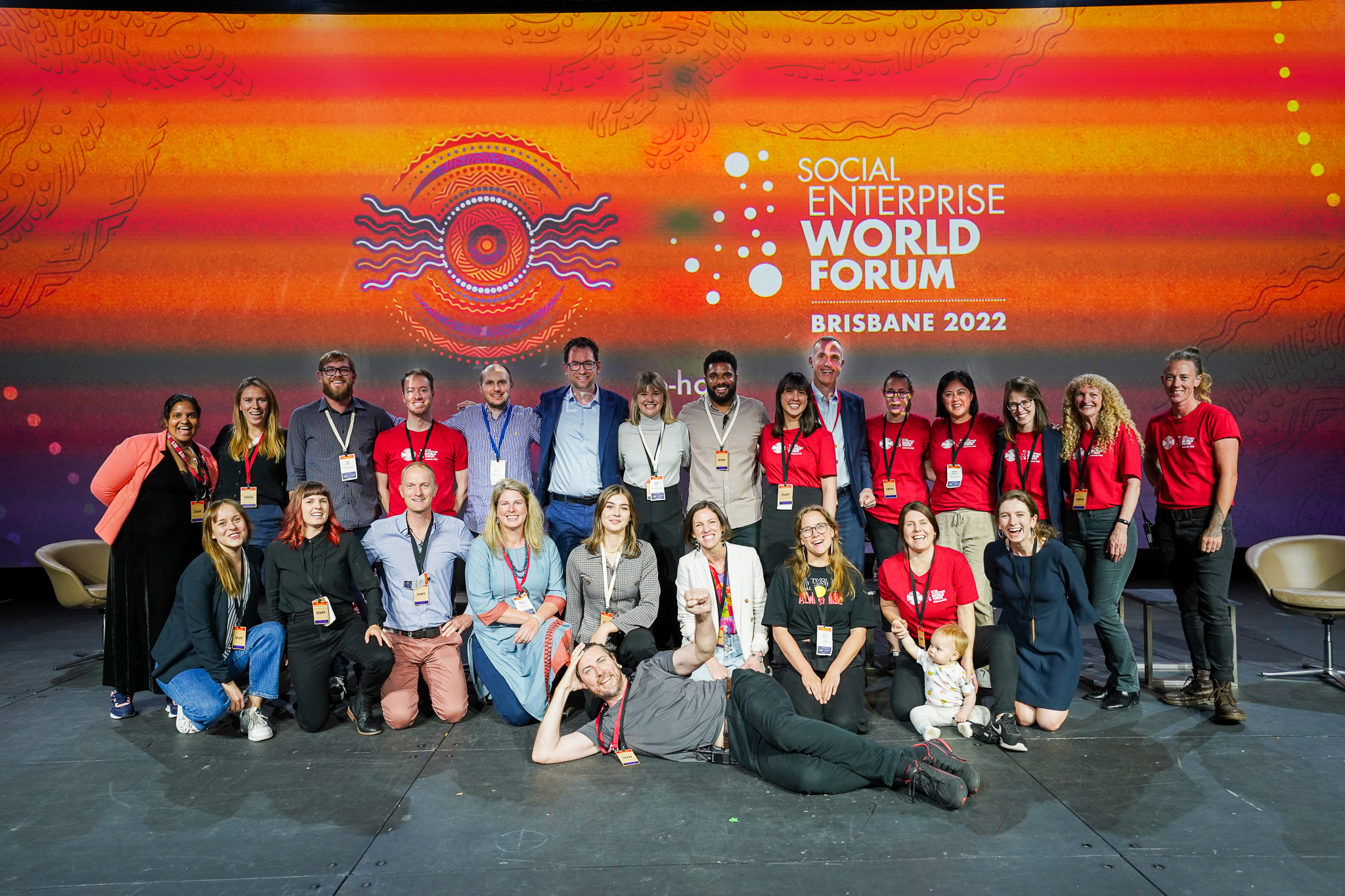
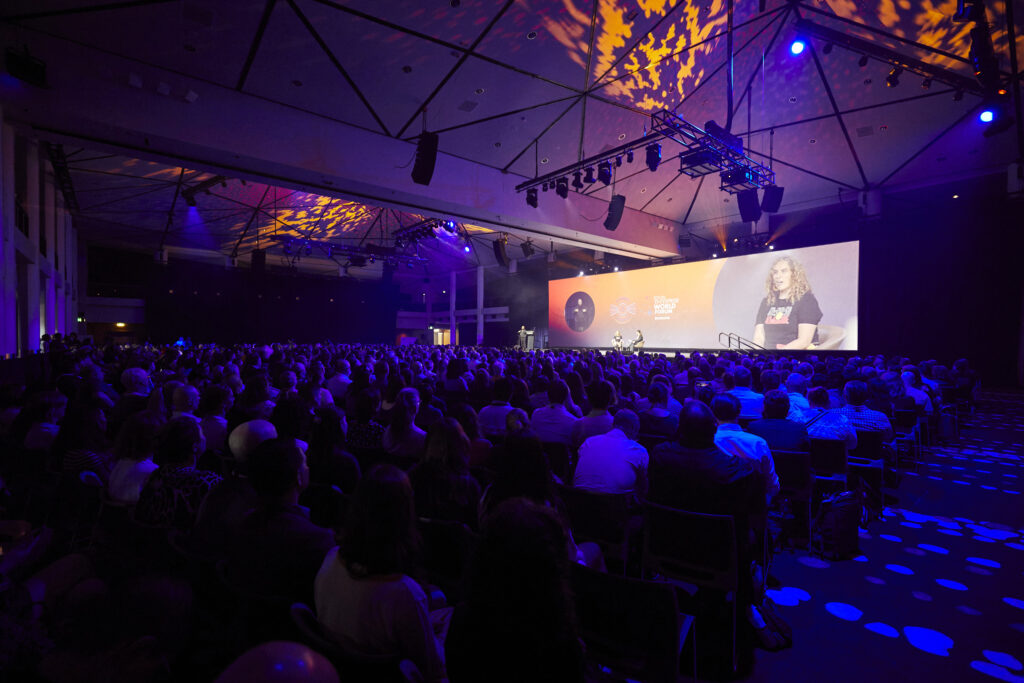
When Whitebox Enterprises stepped in to co-host SEWF22 in Brisbane, we were still a very young organisation. It was the middle of COVID and it was a big commitment for a small team. But we also knew moments like this can catalyse real change. We didn’t want to miss it.
Tom Allen (Impact Boom), Belinda Morrissey (English Family Foundation) and others had worked hard to win the bid, as we didn’t want to miss this major opportunity. Our goal was to put social enterprise firmly on the map in Queensland and across Australia. At the time there was growing interest in the sector, but the ecosystem needed stronger visibility and coordination. Hosting SEWF gave us a once-in-a-generation opportunity to unite the sector – and it did just that. I truly believe where we are today, as a sector, is a result of SEWF 2022.
 A sector transformed
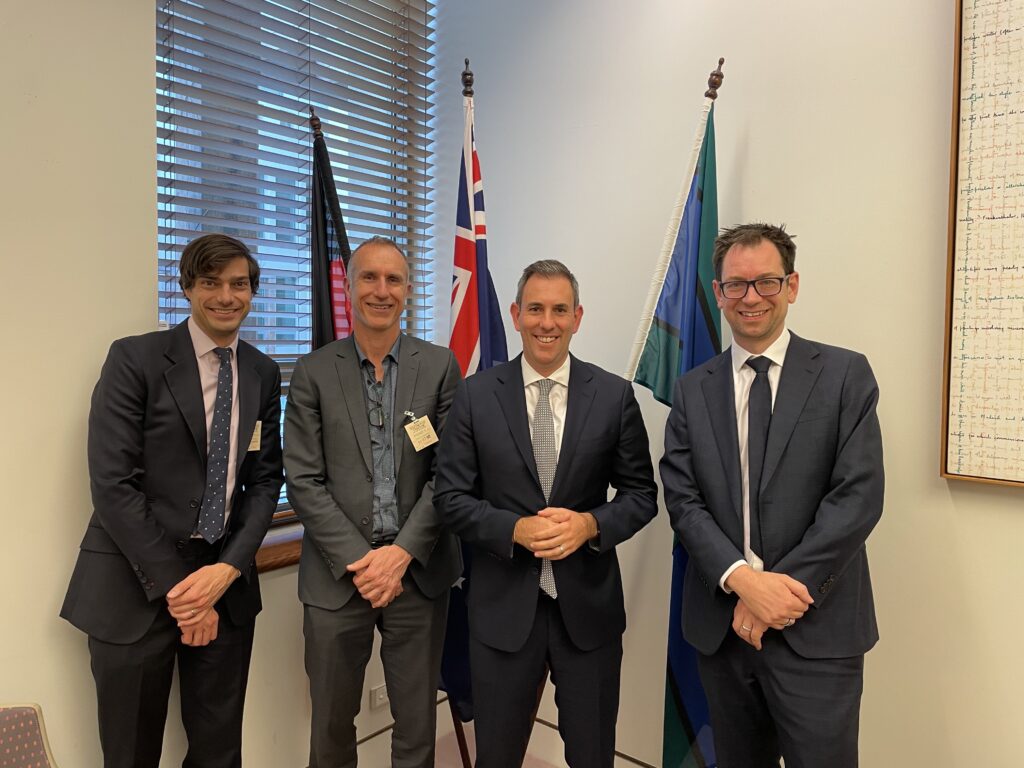
One of the most important outcomes of SEWF 2022 was the momentum it created for establishing a national peak body for social enterprise in Australia. The sector had been discussing it for some time, but the energy around SEWF helped bring that vision to life.
We’ve also seen significantly greater engagement from the government since SEWF 2022. In Queensland, the establishment of the Office of Social Impact and a new $80 Social Entrepreneurs Fund has been monumental. This means we now have continuous funding of the state peak body – QSEC (Queensland Social Enterprise Council), a Queensland roadmap for social enterprise, a potential state-based Payment By Outcomes (PBO) model for social enterprises, incubators, funding for new initiatives – all the ingredients we need for a thriving sector.
At a federal level we are now seeing increased investment and deeper conversations with key decision-makers on the role social enterprise can play in our national employment services system – with further investment in the federal PBO Trial White Box is running, increased funding in the Social Enterprise Development Initiative (SEDI) and a new WorkFoundations program, which sees funding going to social enterprises to help cover impact costs.
For White Box, SEWF helped accelerate our work. It strengthened our networks globally – connecting us to people like Seb Elsworth (Access) and led to partnerships that have shaped major initiatives, including the development of the Social Enterprise Loan Fund (SELF). It also gave us the experience and confidence to convene national conversations about the role social enterprise can play. Just last year we hosted the first Social Enterprise Jobs Summit, bringing together 400 people in Melbourne to talk about jobs-focused social enterprise.
The learning never stops
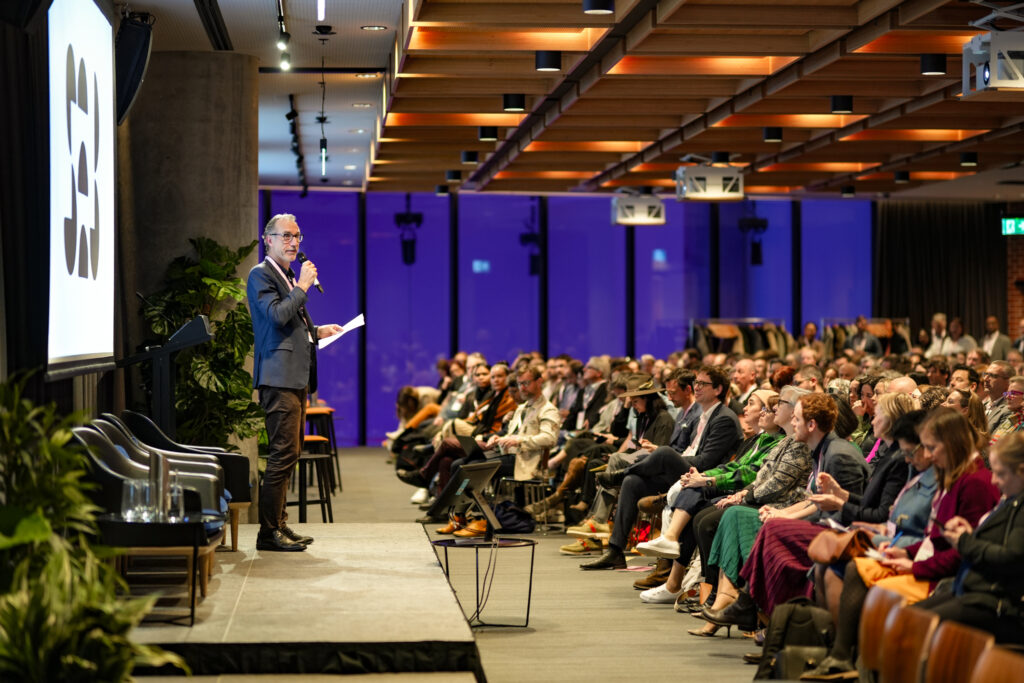
The SEWF community played an important role in shaping my own journey as a social entrepreneur. Because of that, the SEWF network is something I value deeply.
The White Box team also deeply values the global network. We’re constantly asking ourselves – who is doing this well? What has worked elsewhere that we can adapt to our market? Sharing best practice across countries fast-tracks growth.
In the last 12 months we’ve been looking very closely at France and their employment system and social enterprise sector. We’re taking a group of Australian social enterprise leaders and philanthropists there in May this year to really get under the hood of this system and bring the learnings back to Australia.
Growing the SEWF community doesn’t sit with one organisation alone, it’s something we can all contribute to.
Together we go further
Social enterprise can sometimes feel like a small sector within a single country. But globally it’s a vibrant and growing movement. SEWF brings that community together and creates a space where entrepreneurs can learn from each other.
Every time you connect with someone from another country you gain new ideas. You see different business models, funding approaches and policy innovations that can strengthen your own work.
Ultimately, the sector grows stronger when we share knowledge and collaborate. SEWF is one of the most powerful platforms for making that happen.
Also read:
 From funding to income: How White Box Enterprises is supporting social enterprises to start and grow in Australia, while also generating revenue
  Policy that rises to the challenge: SEWF Policy Forum 2025
  Meet White Box Enterprises – SEWF 2022 Co-host
  An overview of SEWF22 and co-creating the future
  This is why many autistic individuals are passionate about creating systems change – Sharon Zivkovic