

;)
Rural innovation in Sabah: How communities are leading change


In more than 30 years of working in the global social enterprise movement — including over 15 with the Social Enterprise World Forum, travelling each year to a different place across six continents — I have had the privilege of meeting changemakers in every corner of the world. But what I experienced in Sabah truly stayed with me.
This region is not just beautiful, it is alive with possibility. As you arrive, you see Mount Kinabalu rising in the distance. It has a spiritual and physical presence. The landscape is tropical, green and lush. But it is the people, their ingenuity, resilience and quiet determination, who leave a lasting impression.
Rural communities have always been close to my heart and are central to SEWF’s mission. These communities are often the most affected by climate change, economic shocks and social inequalities. Yet rural social enterprises are stepping up to meet these challenges with resourcefulness and creativity.
In 2024, we worked with more than 100 rural organisations across six continents to develop the Rural Social Enterprise Manifesto. It is both a strategic tool and a practical guide designed to help policymakers recognise the vital role of rural social enterprises in building more sustainable and inclusive communities. This collaboration led to the forming of the Rural Social Enterprise Network, working to embed the Manifesto’s principles in practice and policy. Its purpose is to strengthen rural social enterprise ecosystems, foster global connection and create space for shared learning, reflection and support.
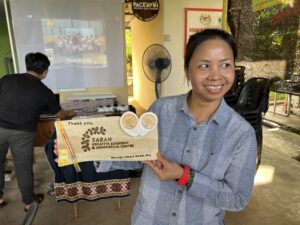
This vision is alive in Sabah. Earlier this year, I travelled there to meet local social enterprises as part of the planning for the Rural Social Enterprise Gathering. This event is delivered in partnership with the Sabah Creative Economy and Innovation Centre (SCENIC), a local agency working to strengthen support systems for innovation and entrepreneurship in rural areas.
The Rural Social Enterprise Gathering is a four-day event and comprises of two-day Learning Visit, a Rural Forum conference and Rural Social Enterprise Network discussions. The Learning Visit is an opportunity to explore the vibrant social enterprise scene of Sabah. It will give participants the chance to walk the same paths, meet the same people and witness the work that inspired me. This experience is not limited to a closed setting. It unfolds through real exchanges on the bus, over meals and during site visits. That is where deep learning happens.
What I saw was extraordinary. From community forests and eco farms to artisan workshops and bee retreats, these enterprises are leading with care, creativity and purpose. I look forward to being back and retracing my steps at the Learning Visit this November.
Meet the enterprises
Kokoriu
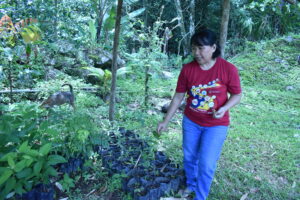
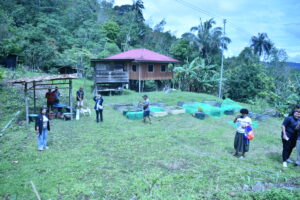
Kokoriu is a community-based social enterprise working to protect both the local way of life and the surrounding environment in Sabah. It addresses challenges such as environmental degradation, income insecurity and the loss of Indigenous knowledge by helping communities take charge of their future through earth-friendly farming and income-generating activities.
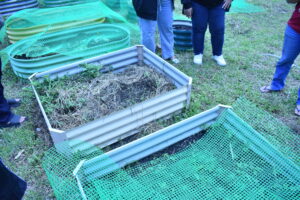
Through hands-on training and workshops, Kokoriu empowers villagers to farm sustainably while supporting their families. The enterprise runs food security programs and natural resource management initiatives, helping communities build resilience in the face of rising costs and climate disruptions.
Today, Kokoriu manages a 3-acre seed bank and protects a 17-hectare community forest to conserve biodiversity, forests and watersheds – a small start with a bold vision for the future.
DumoWongi
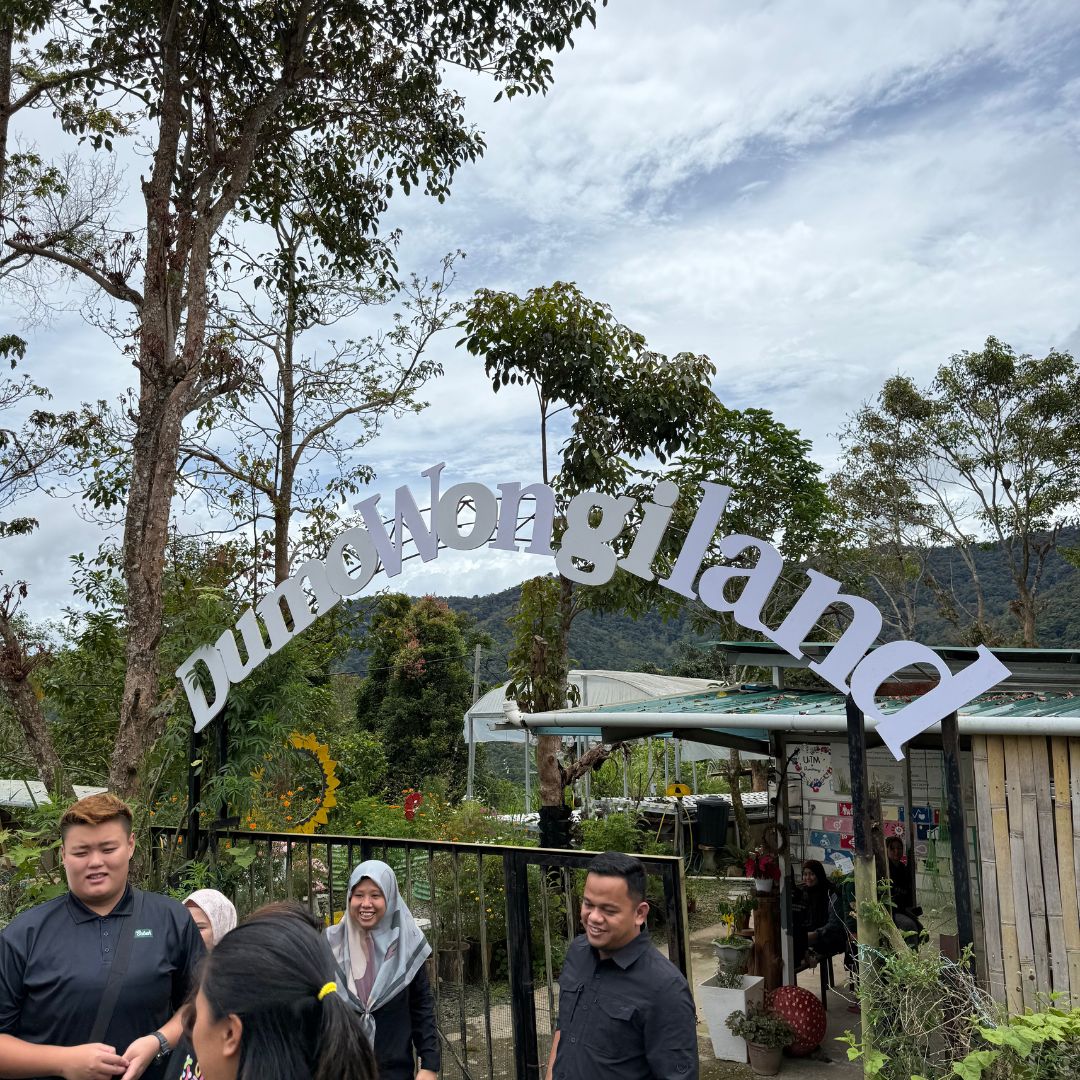
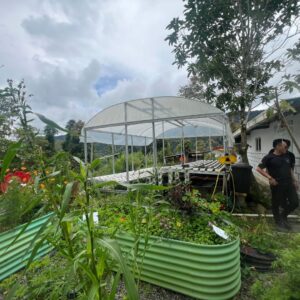
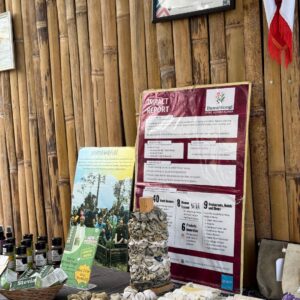
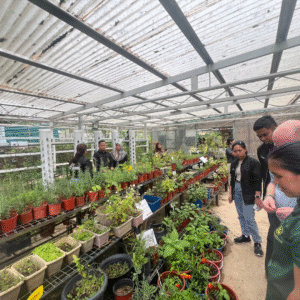
DumoWongi is a women-led social enterprise based in Bundu Tuhan, Sabah, founded in 2019 to empower rural women through nature-based entrepreneurship. By blending traditional knowledge with sustainable practices, DumoWongi creates income-generating opportunities through herb planting, edible flowers, eco-printing and natural product development.
Its work is rooted in three pillars:
- Capacity building – training women in natural farming, eco-printing and product development
- Sustainable living – promoting agroecological practices, zero-waste production and upcycling
- Community-based innovation – turning local resources into value-added products that connect culture, nature and well-being
To date, DumoWongi has trained 48 rural women, supported 10 growers, offered student internships, upcycled hundreds of metres of linen and hosted educational workshops for all ages. In 2022, it was recognised as one of Shell LiveWIRE’s Top Ten Innovators. Today, DumoWongi’s products are shared through pop-ups, fairs and live platforms, cultivating livelihoods one leaf, one print, one woman at a time
 .
. 
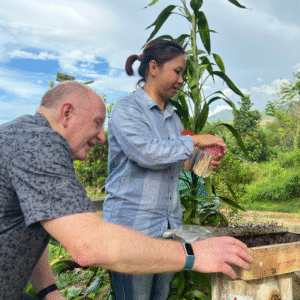
Pace A Voi
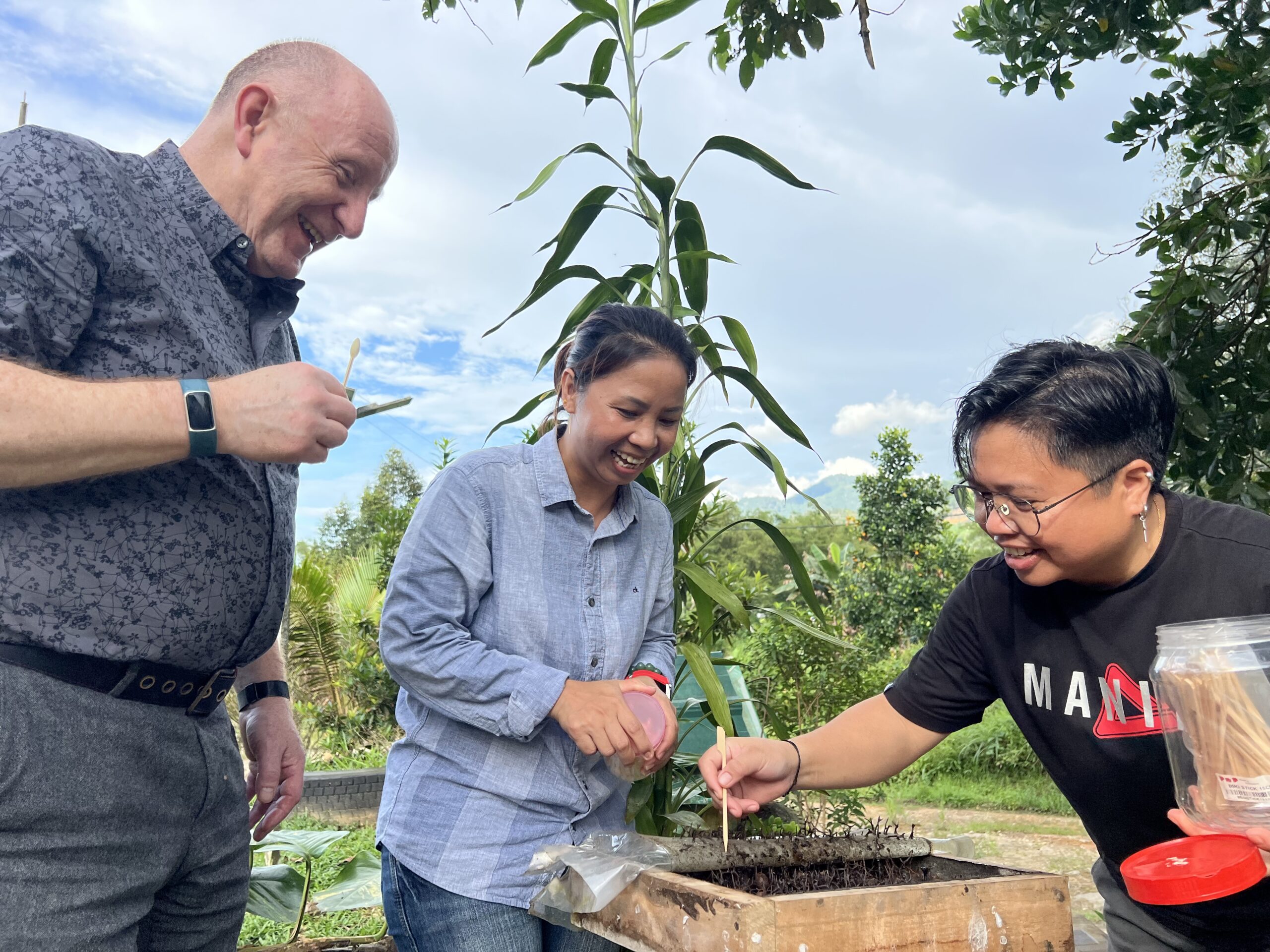
Pace A Voi is a social enterprise based in Kampung Mansiang, Manggatal, Sabah, focused on rural development through wellness, agro-entrepreneurship and environmental education. Its initiatives include:
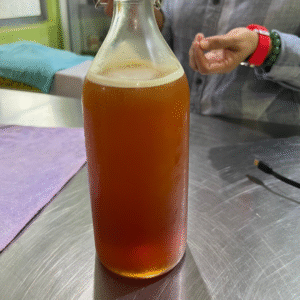
- Stingless bee farming and natural products – running a sustainable kelulut bee farm, offering training in colony management and producing honey, pollen and propolis
- Agro-wellness and nature-based retreats – offering immersive programmes like The Bee Retreat, aromatherapy and garden therapy to support health and connection with nature
- Community empowerment and training – working with youth, single mothers, elders and B40 families to provide skills training and income through beekeeping, tourism and artisan products
- Collaboration and networking – partnering with local universities, NGOs and government to support SDGs and expand agro-entrepreneurship
Pace A Voi is both a learning hub and an inclusive economic driver, where rural knowledge meets regenerative practice.
 .
. 
LJD
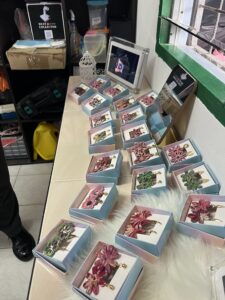
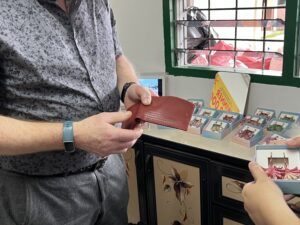
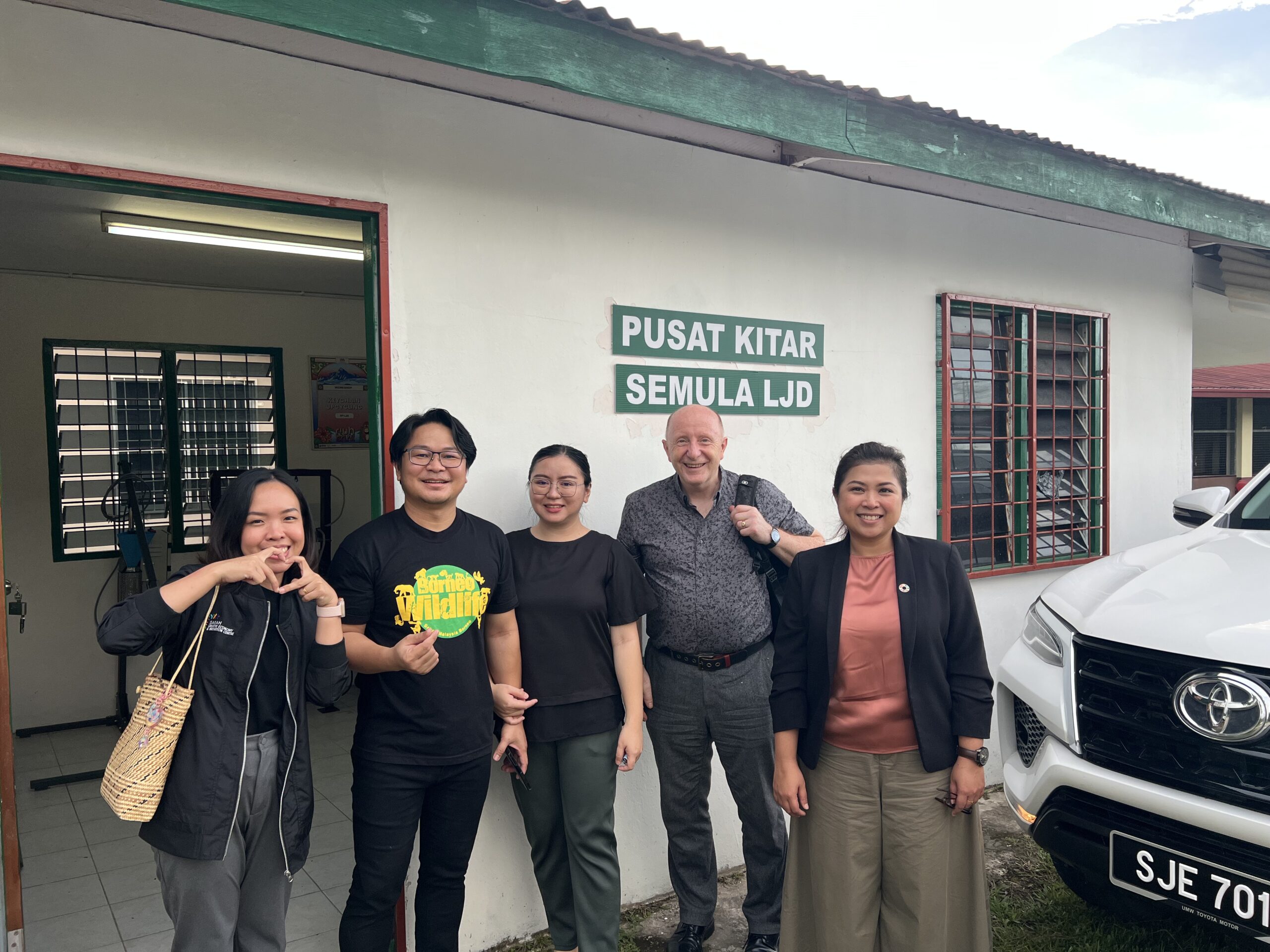
LJD is a creative social enterprise in Kota Kinabalu pioneering community-led innovation through circular economy solutions and environmental action. Based in Kampung Kepayan Baru, LJD runs a recycling and upcycling centre that creates jobs for eight nearby villages and provides dignified income opportunities for vulnerable communities.
LJD works with communities near the Kayu Madang landfill, empowering waste collectors through skills training and plastic recovery programmes. The enterprise transforms plastic waste into sustainable products inspired by Sabah’s ethnic heritage, including jewellery, souvenirs and decorative crafts.
To date, LJD has reached over 5,000 people across Sabah through 200+ workshops and talks. In 2024, it signed an MoU with Universiti Malaysia Sabah to collaborate on innovation, education and product design, combining sustainability with culture to create lasting impact.
Create Borneo
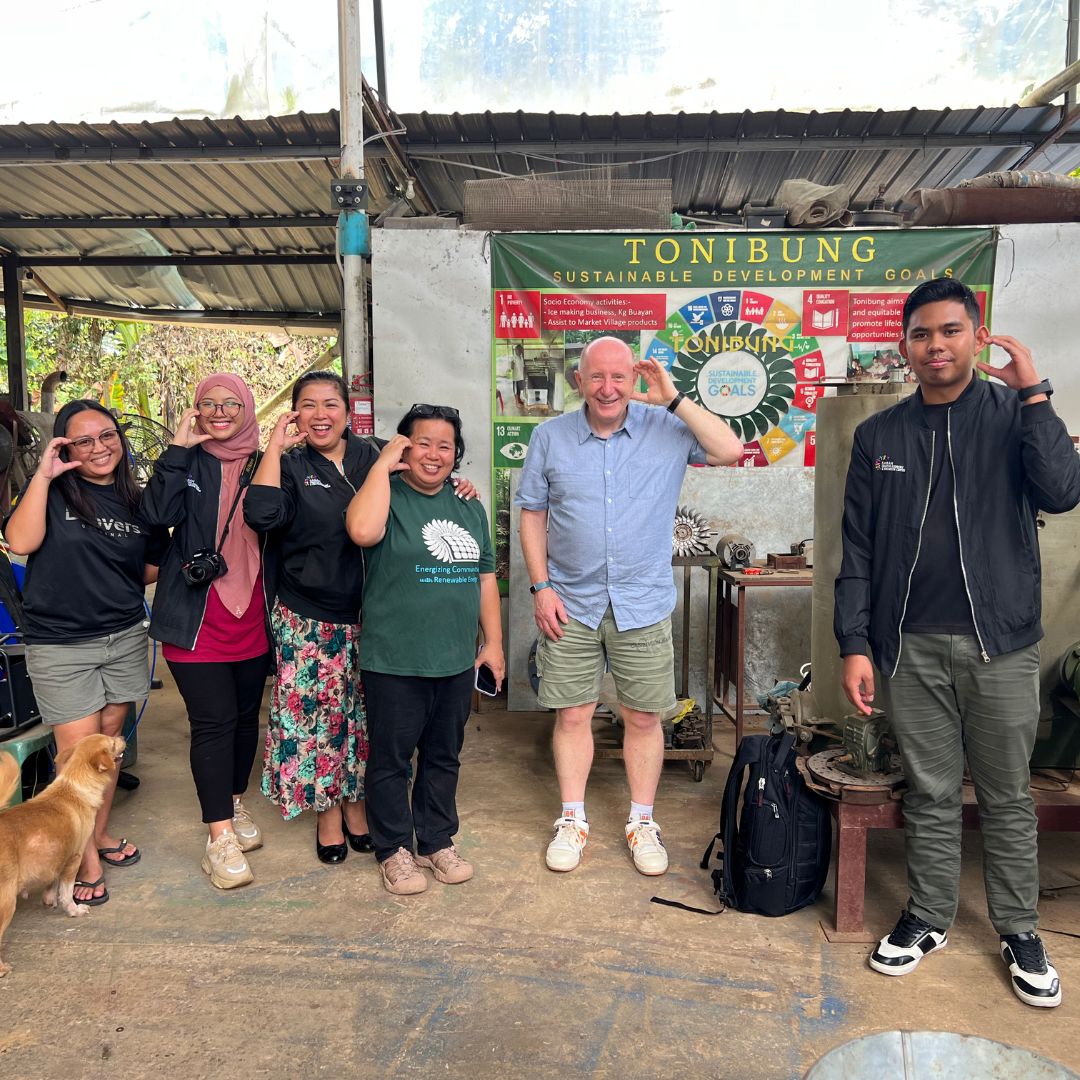
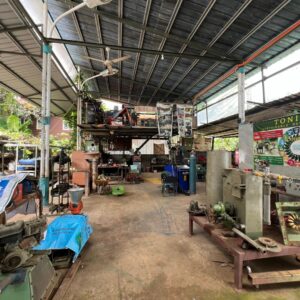
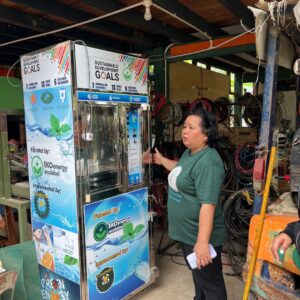
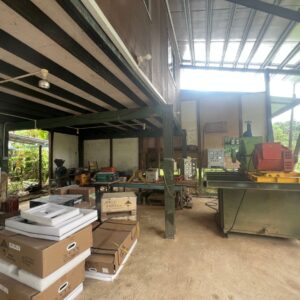
Create Borneo is a rural innovation hub led by TONIBUNG (Friends of Village Development), an Indigenous organisation based in Sabah. It empowers Indigenous youth through hands-on training in renewable energy, including micro-hydro and solar power technologies.
Operating through the Center for Renewable Energy & Appropriate Technology, Create Borneo supports rural communities to build and manage their own clean energy systems, expanding access to electricity while promoting sustainability and self-determination.
So far, Create Borneo has electrified over 40 villages and trained dozens of local technicians. Its work shows how Indigenous knowledge, appropriate technology and youth leadership can drive inclusive rural development from within.
This is one of the strongest social enterprises I have seen anywhere in the world, as the emphasis on using an enterprise model, rather than a donor model, ensures that the interventions are sustainable in rural communities. It might often be easier to establish a donor-funded project, but using an enterprise-based business model gives communities the capacity and the motivation to resolve challenges and sustain long-term community impact.
Where the world meets: Learning from rural Sabah
What’s happening in Sabah is powerful. These social enterprises are not waiting for change — they are creating it. Rooted in community and grounded in deep respect for the land, the culture and each other, their work is transforming lives.
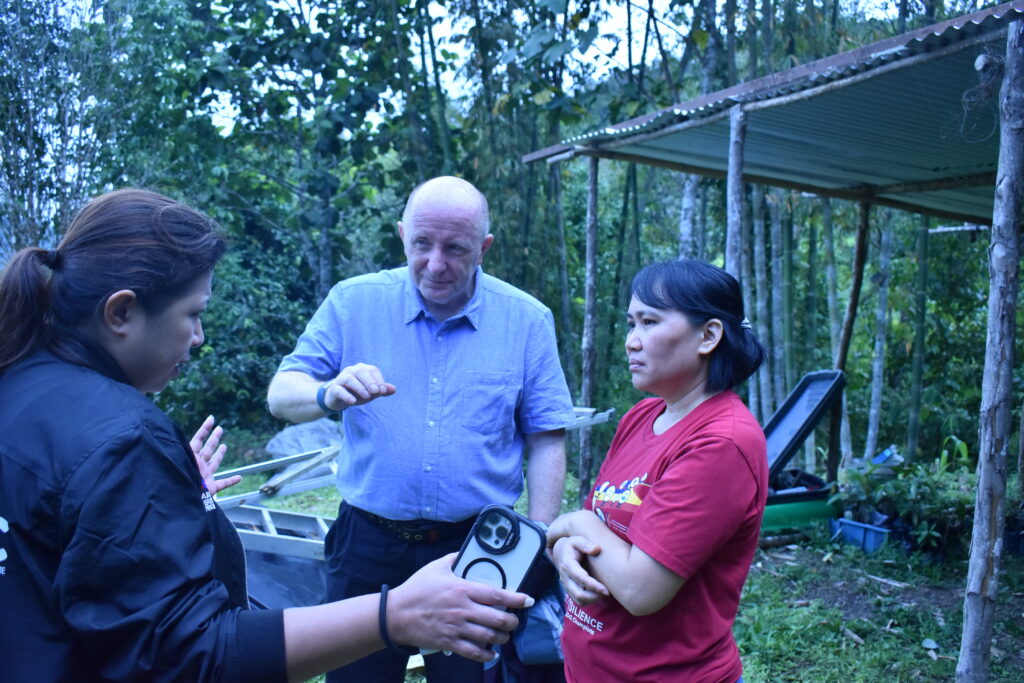
During my visit, I expected to be inspired. I left with that and so much more — moved deeply by the openness, the willingness to share, reflect and learn together. This is what made the experience so valuable.
I am excited to return to Sabah for the Rural Social Enterprise Gathering (31 October – 1 November), taking place right after SEWF25 in Taipei, Taiwan (29-30 October). I look forward to reconnecting with the people I met and to continue learning. I hope you will join us. This experience is the kind that will sit with you, inspire and continue to shape how you act and lead for many years to come.
Spaces for the Learning Visit are limited. Book now to be part of this journey.
Also read:
 Rejuvenating rural communities through social enterprise
  Empowering rural communities and youth through social enterprise policy: SEWF Policy Forum highlights
  Discover the Sabah Creative Economy & Innovation Centre (SCENIC) Community Hub in Malaysia
  Rural Manifesto launched at SEWF Policy Forum 2024 outlines 11 ways to unlock the power of rural social enterprise
  Policy that rises to the challenge: SEWF Policy Forum 2025